







Resources For: Lawyers & Advocates Survivors Donors
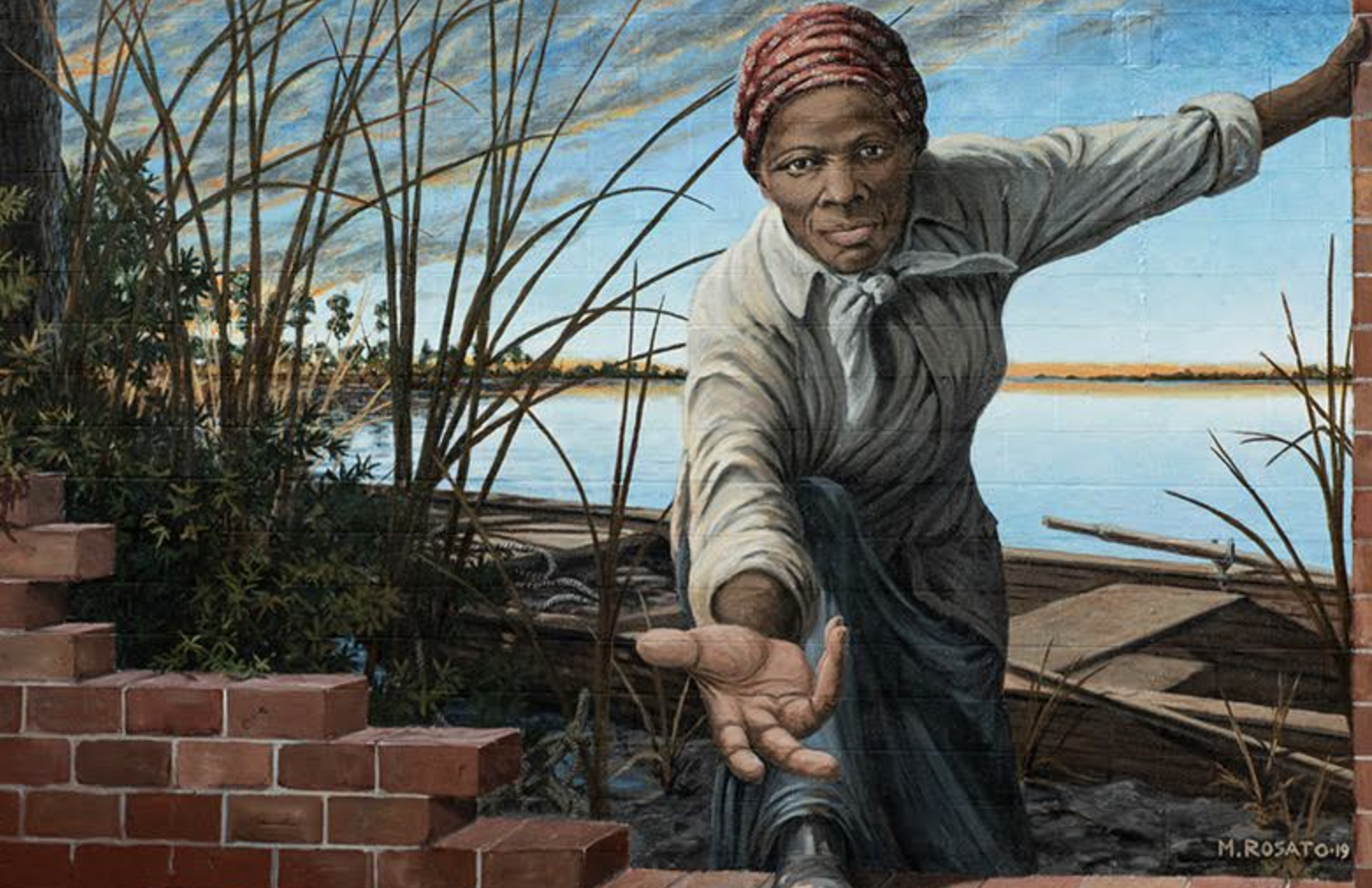
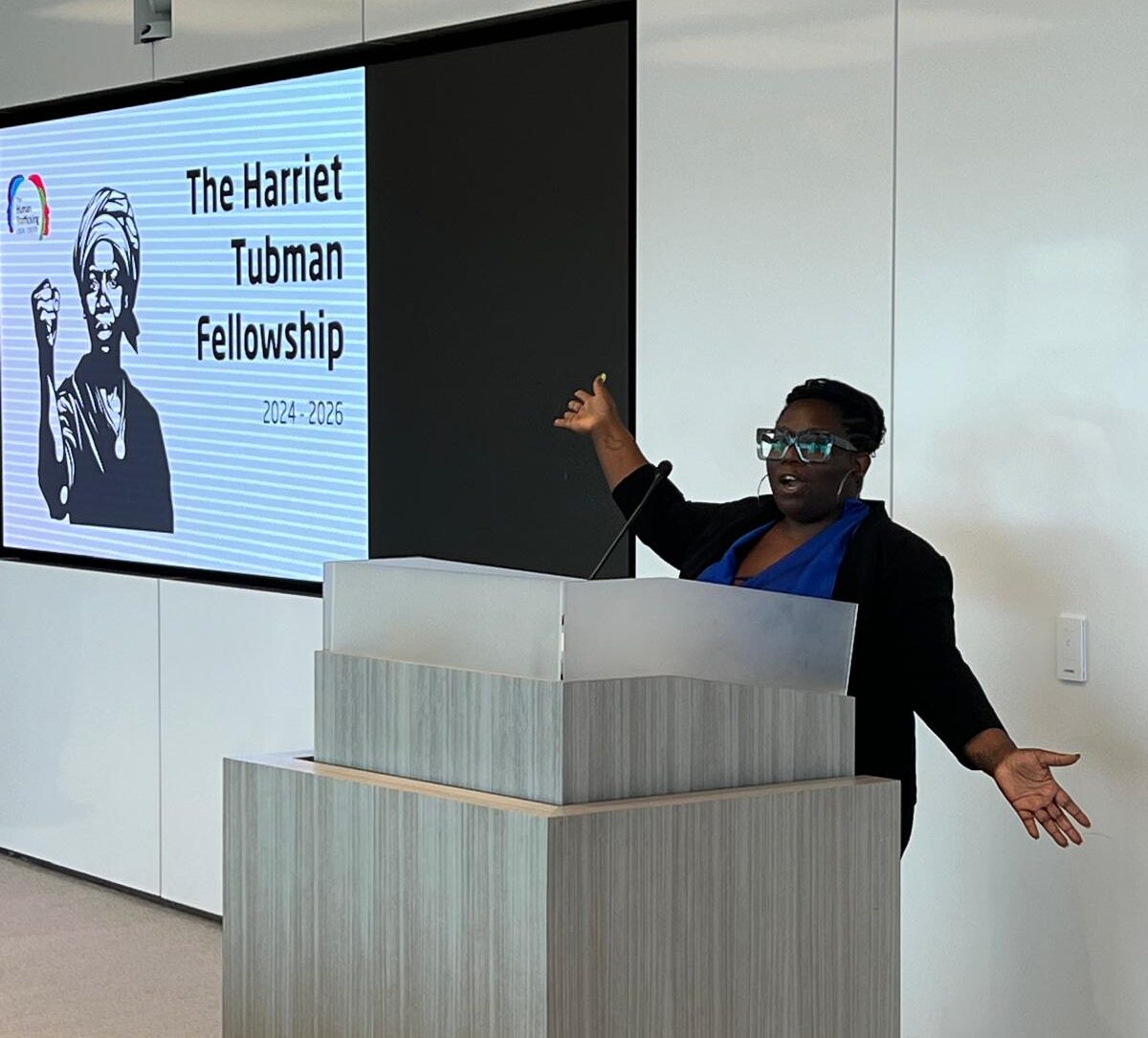
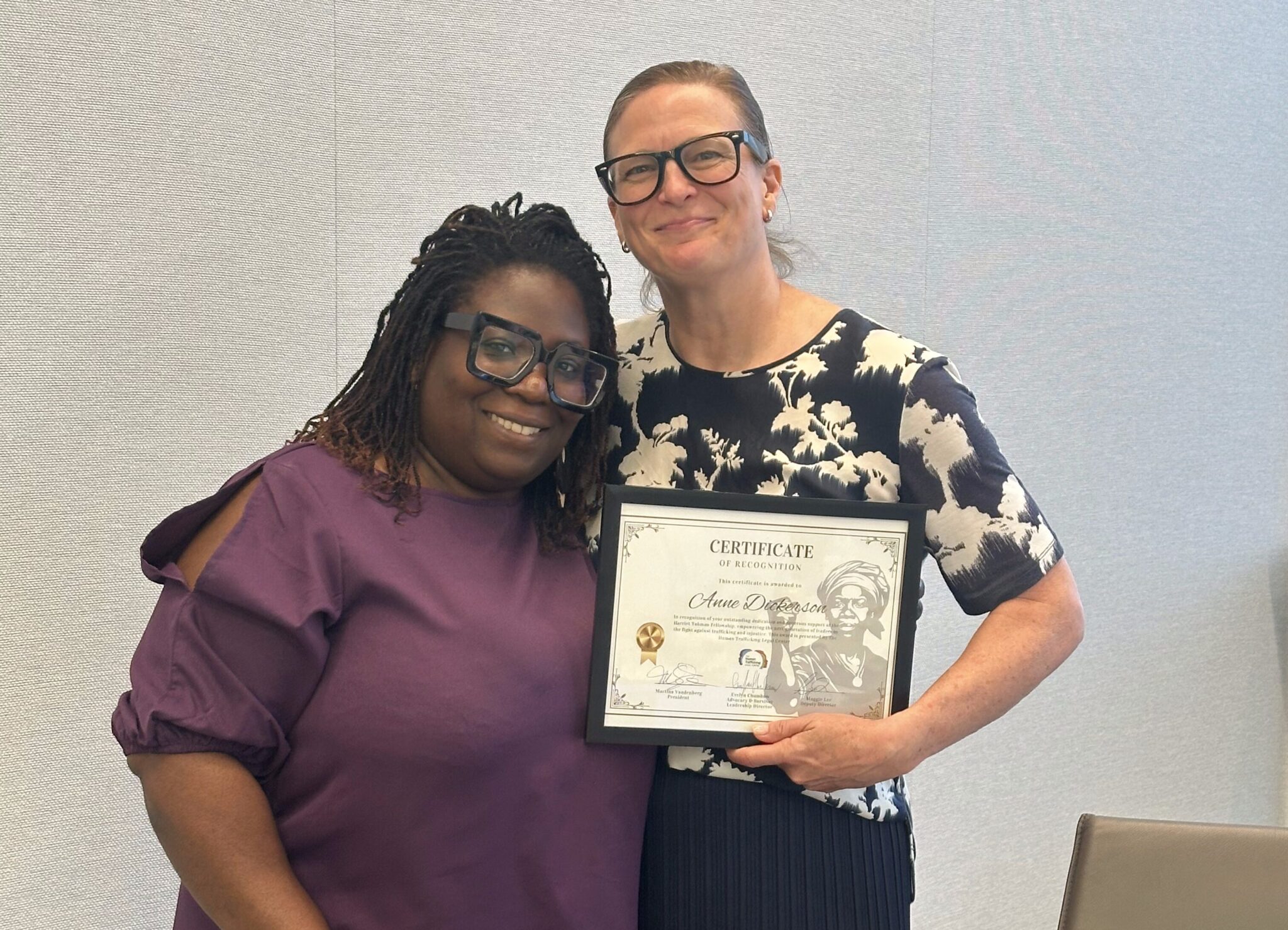
The Harriet Tubman Fellowship for Labor Trafficking Survivors supports survivor-leaders and prepares them for management-level positions. The Fellowship has a key goal: to increase trafficking survivors’ power and influence by equipping them with the skills to take up leadership roles in the non-profit, private, and public sectors. The ultimate vision is for trafficking survivors to lead anti-trafficking (and other non-profit) organizations and to assume senior positions in the public sector.
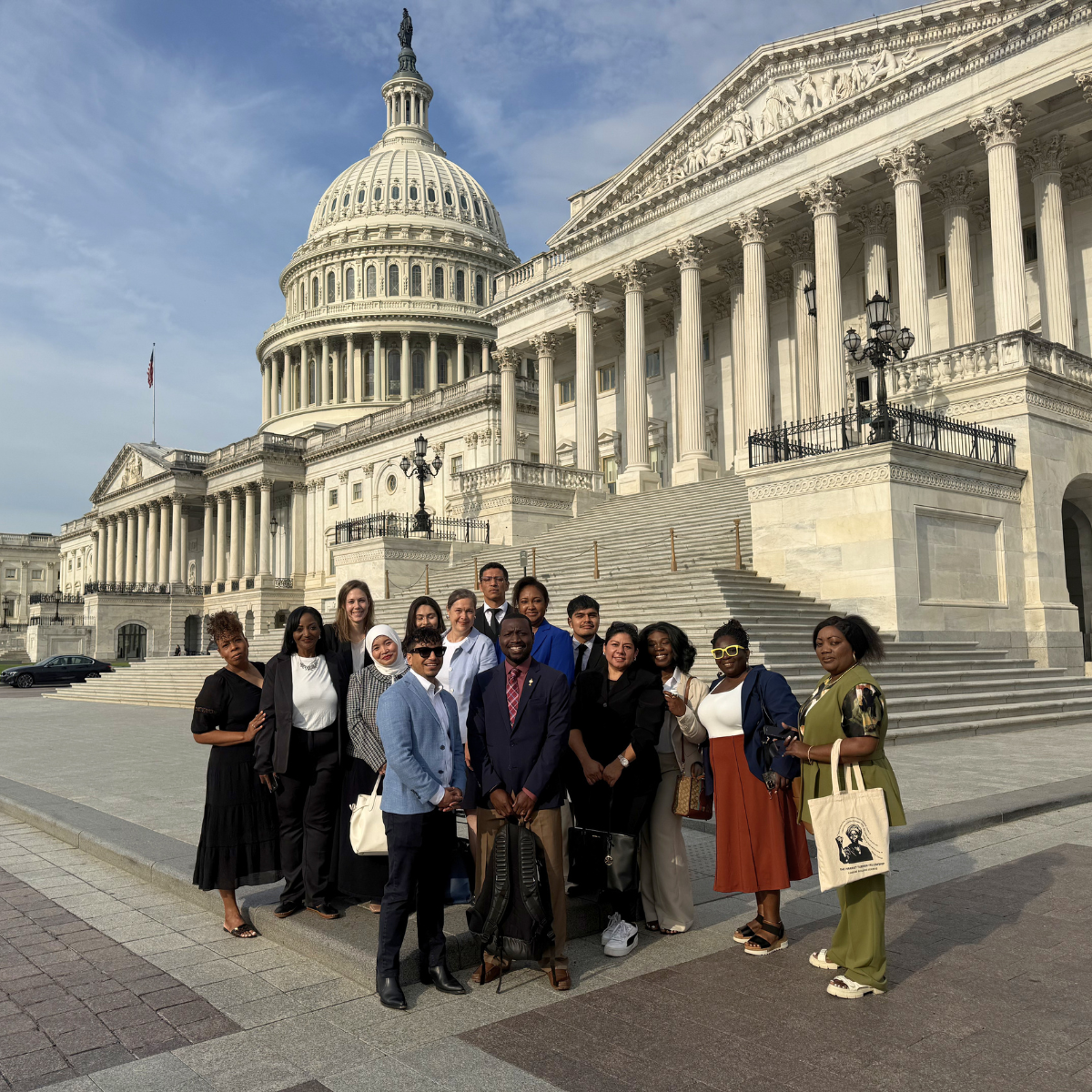
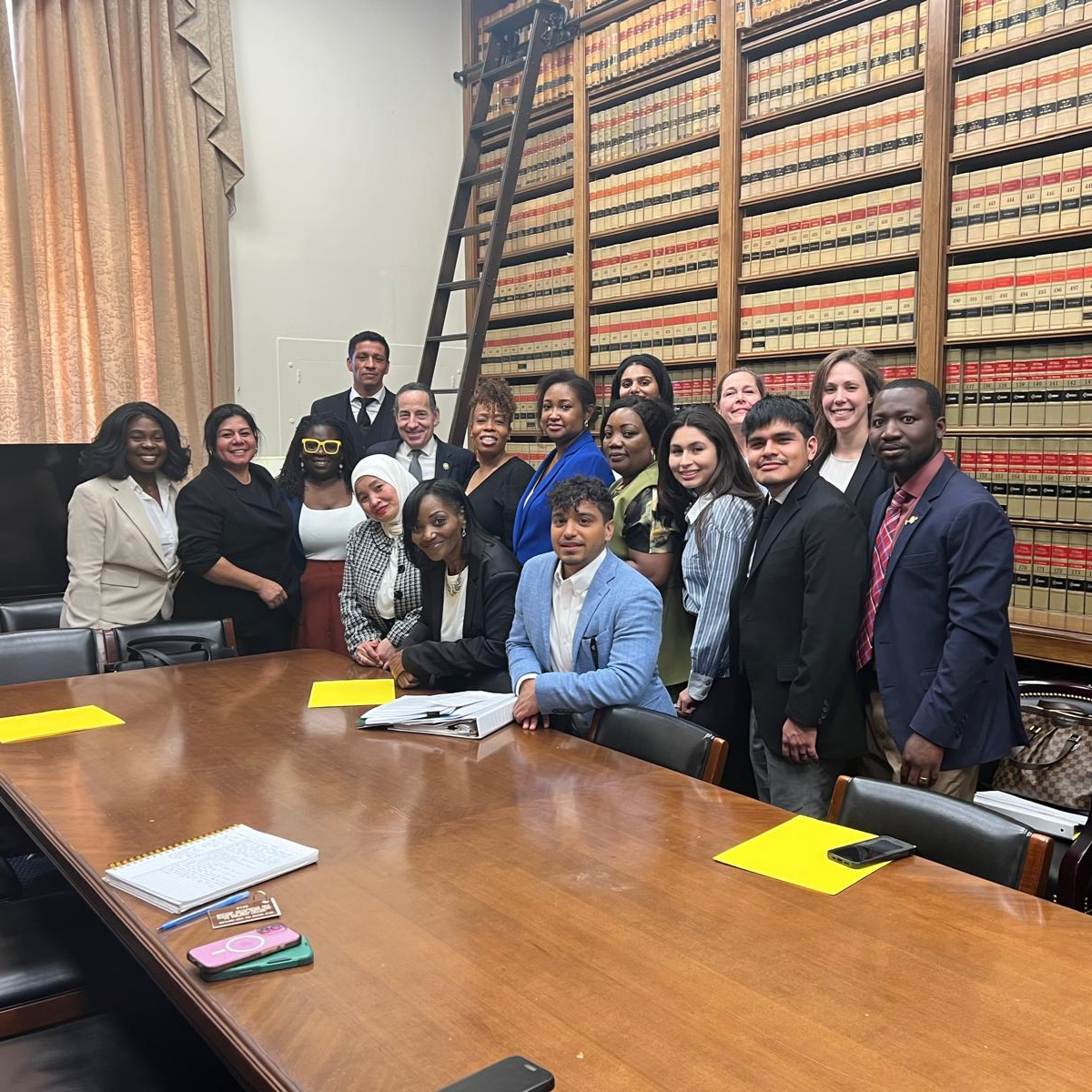
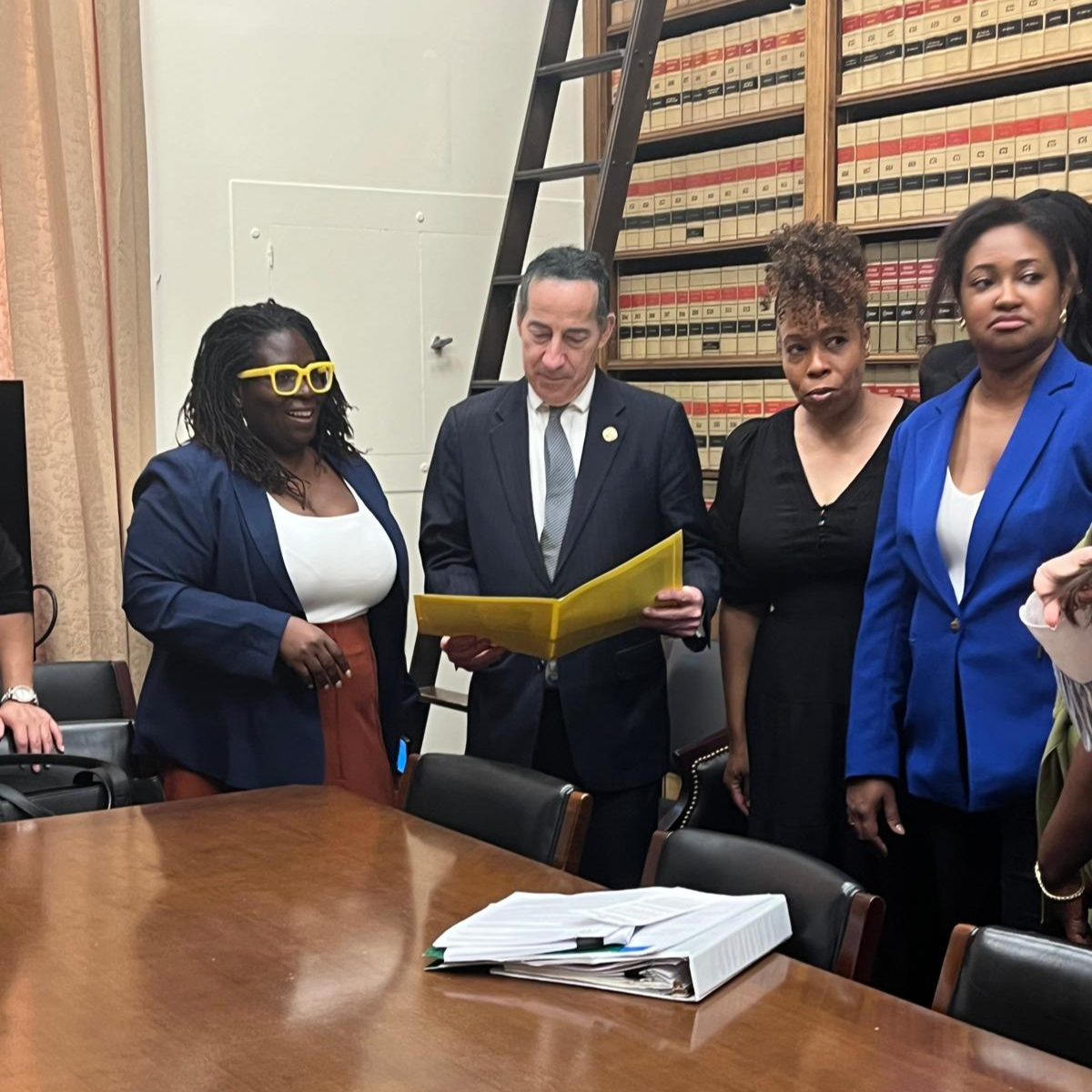
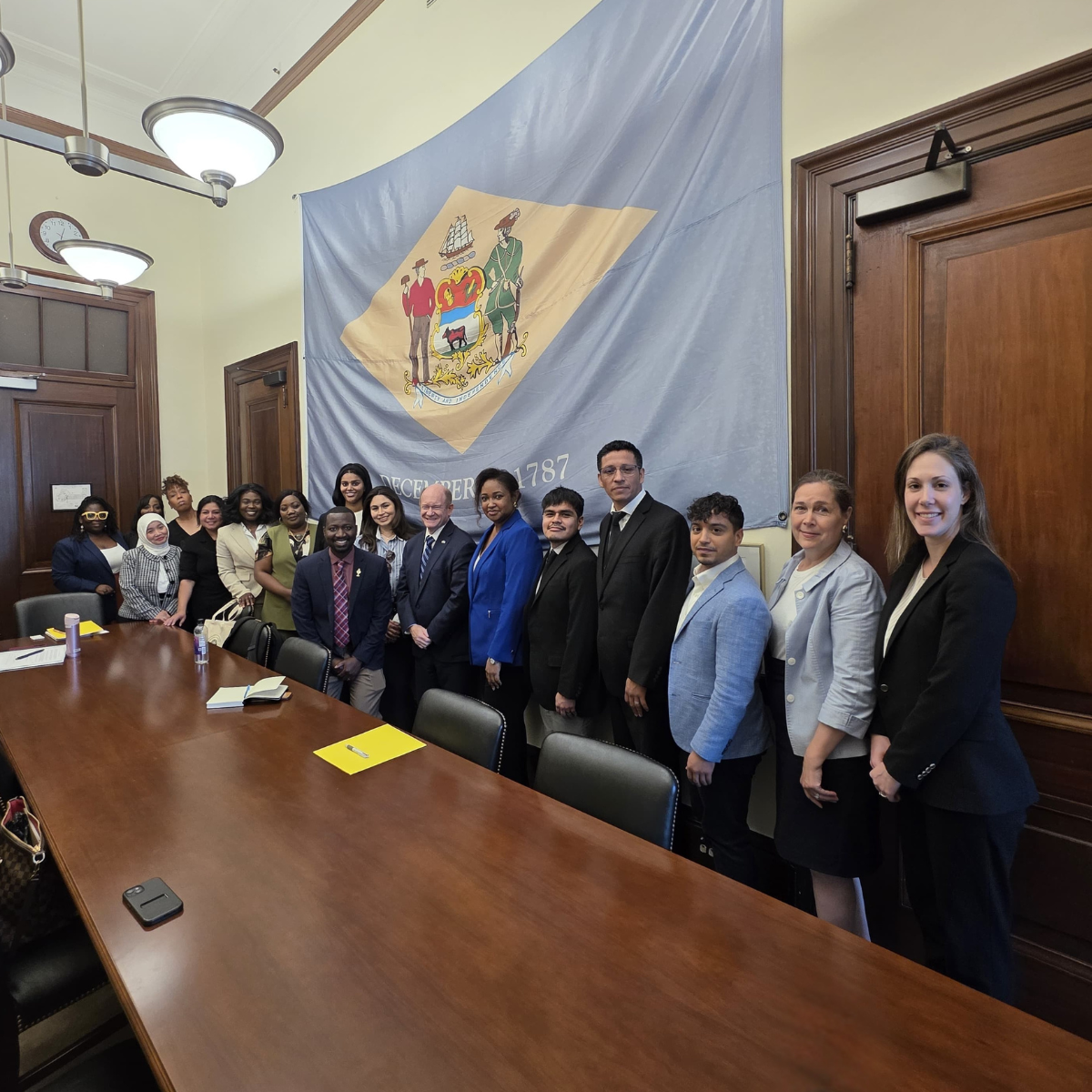
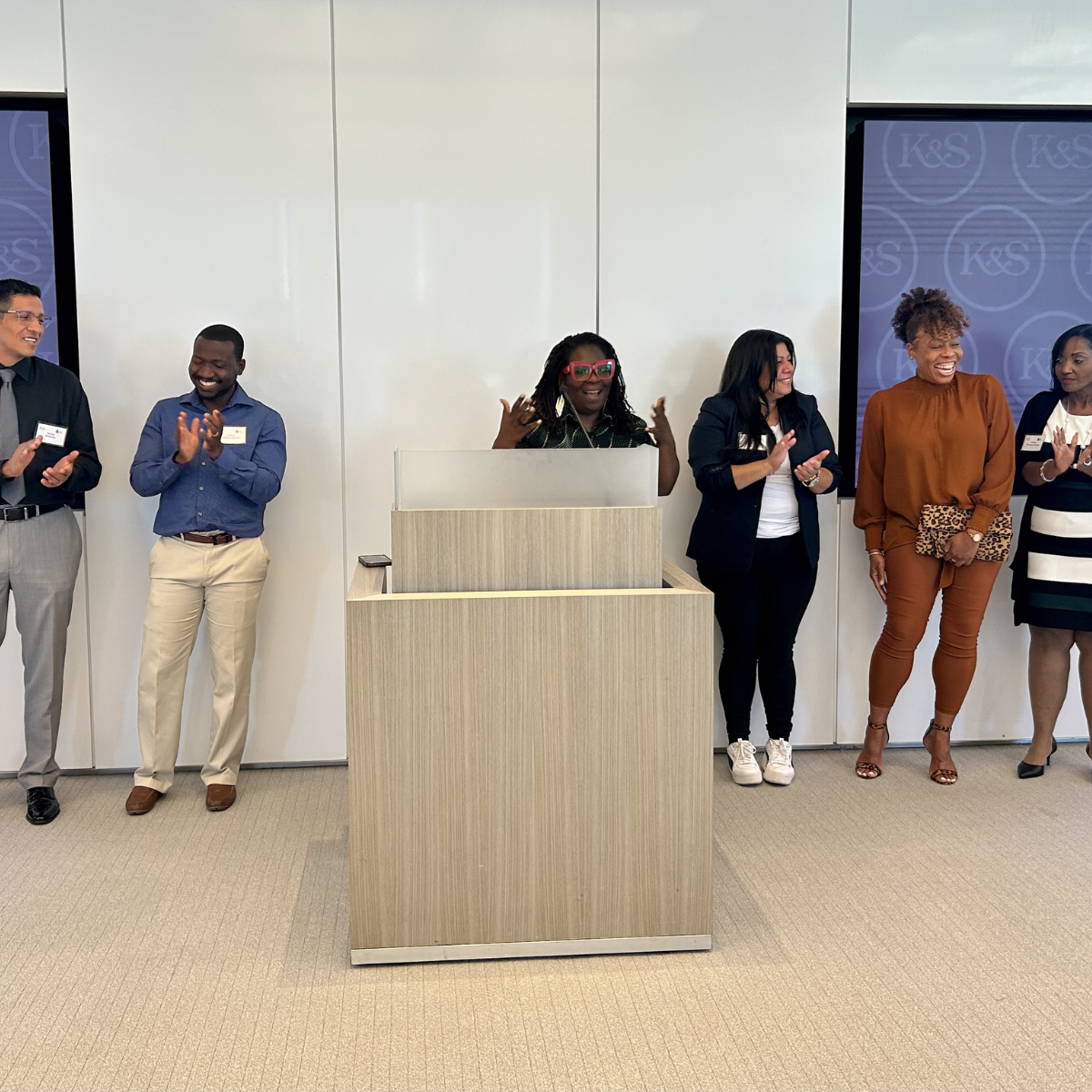
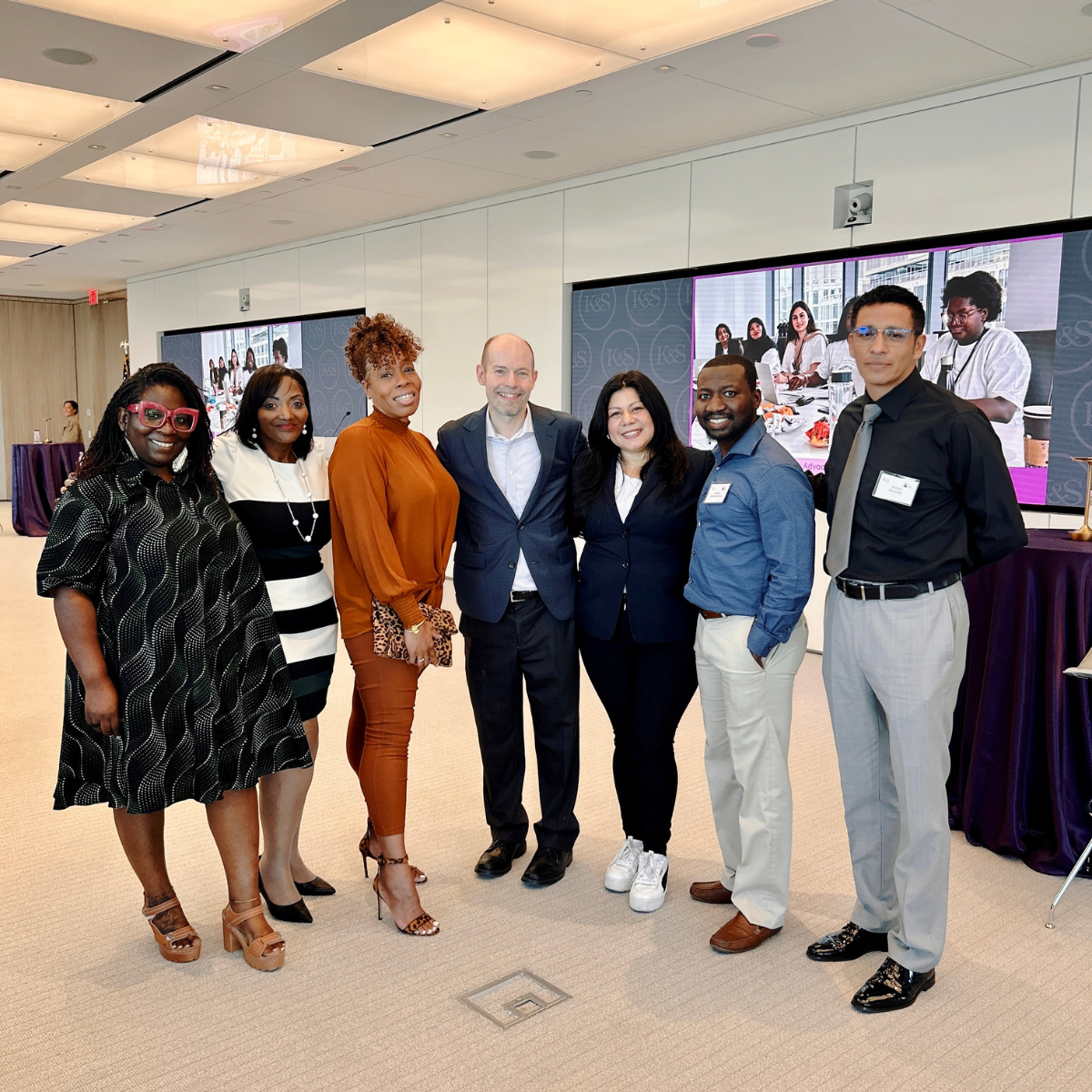
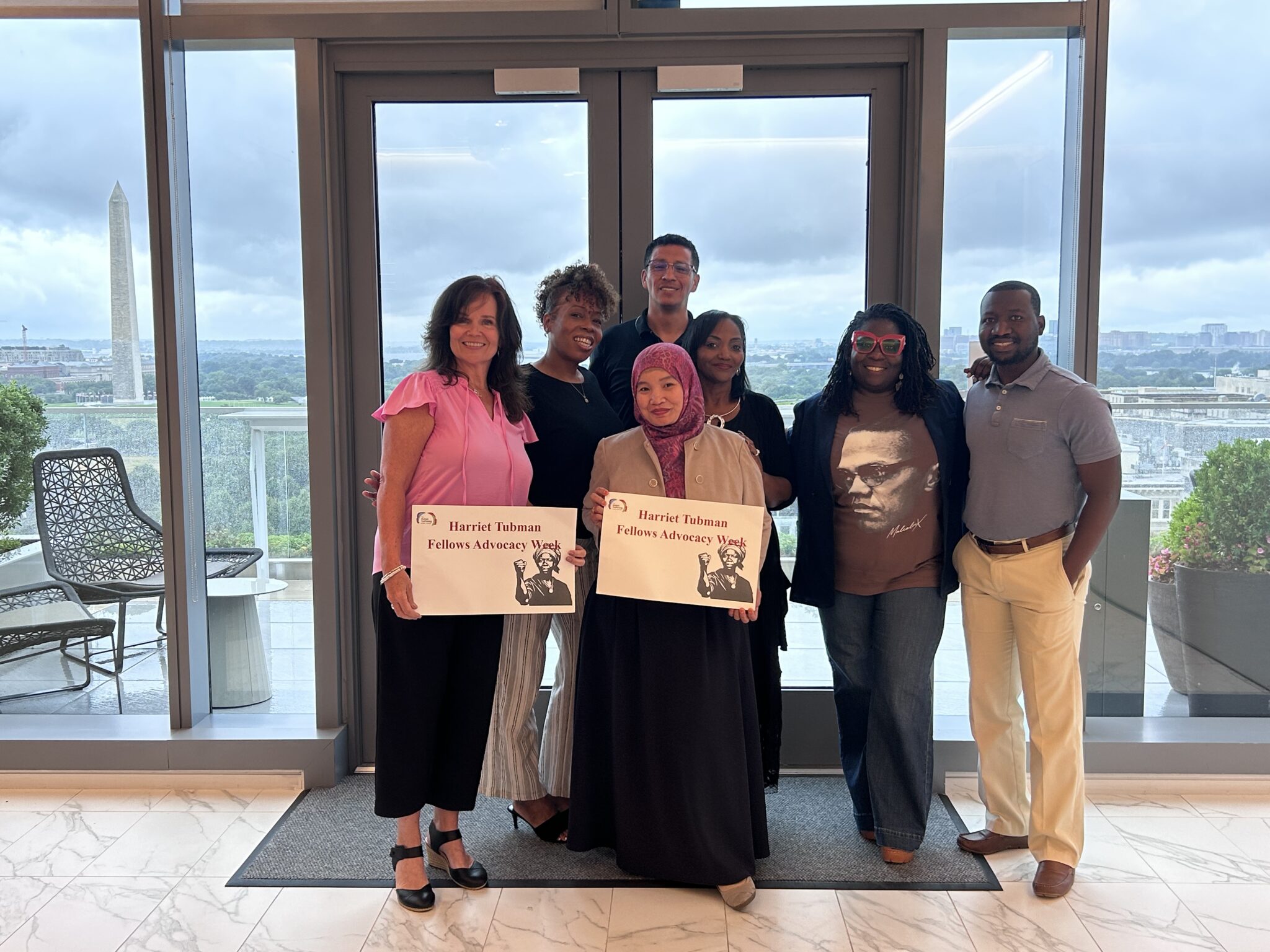
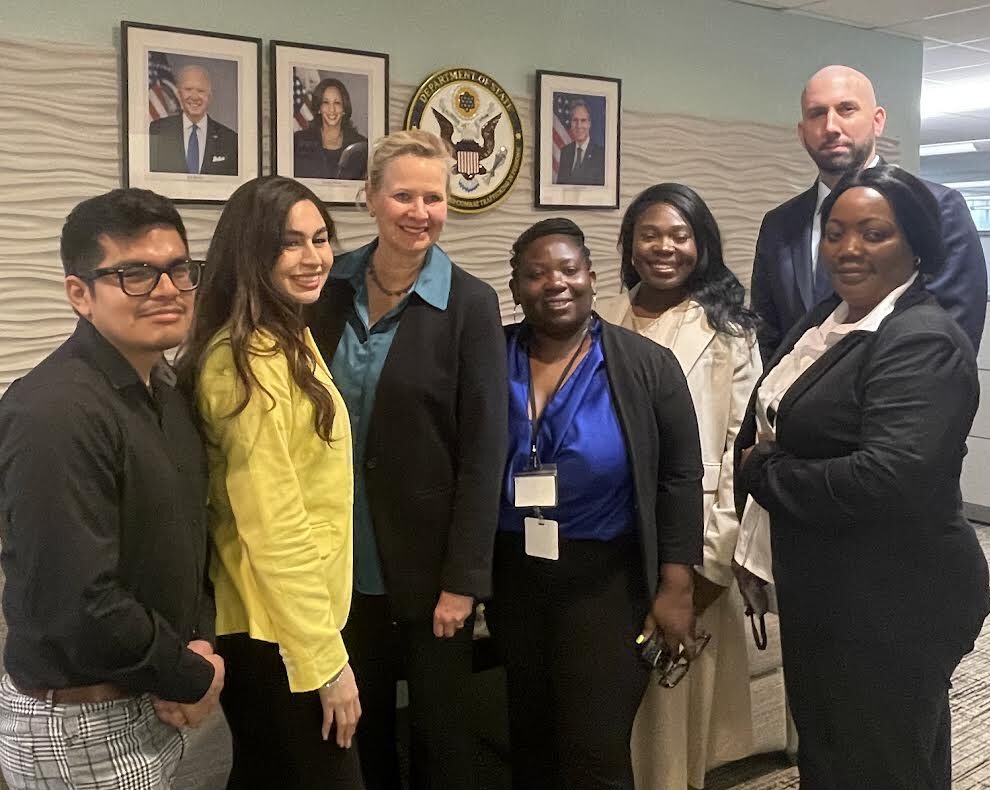
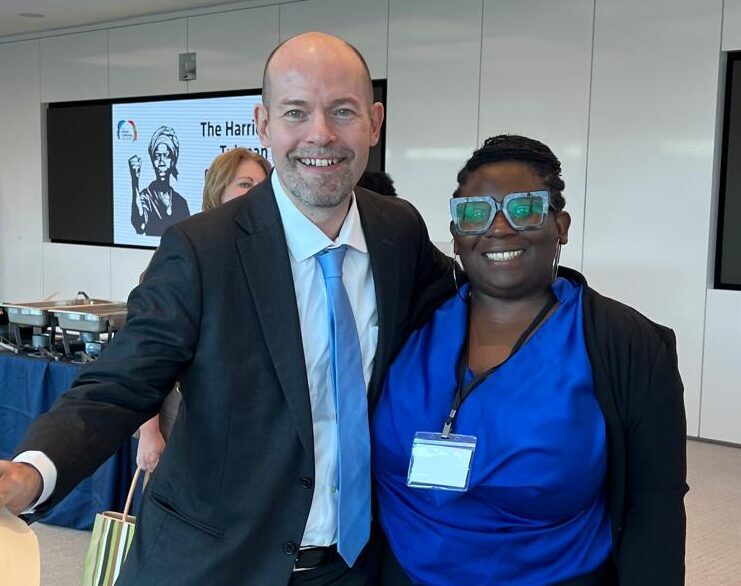
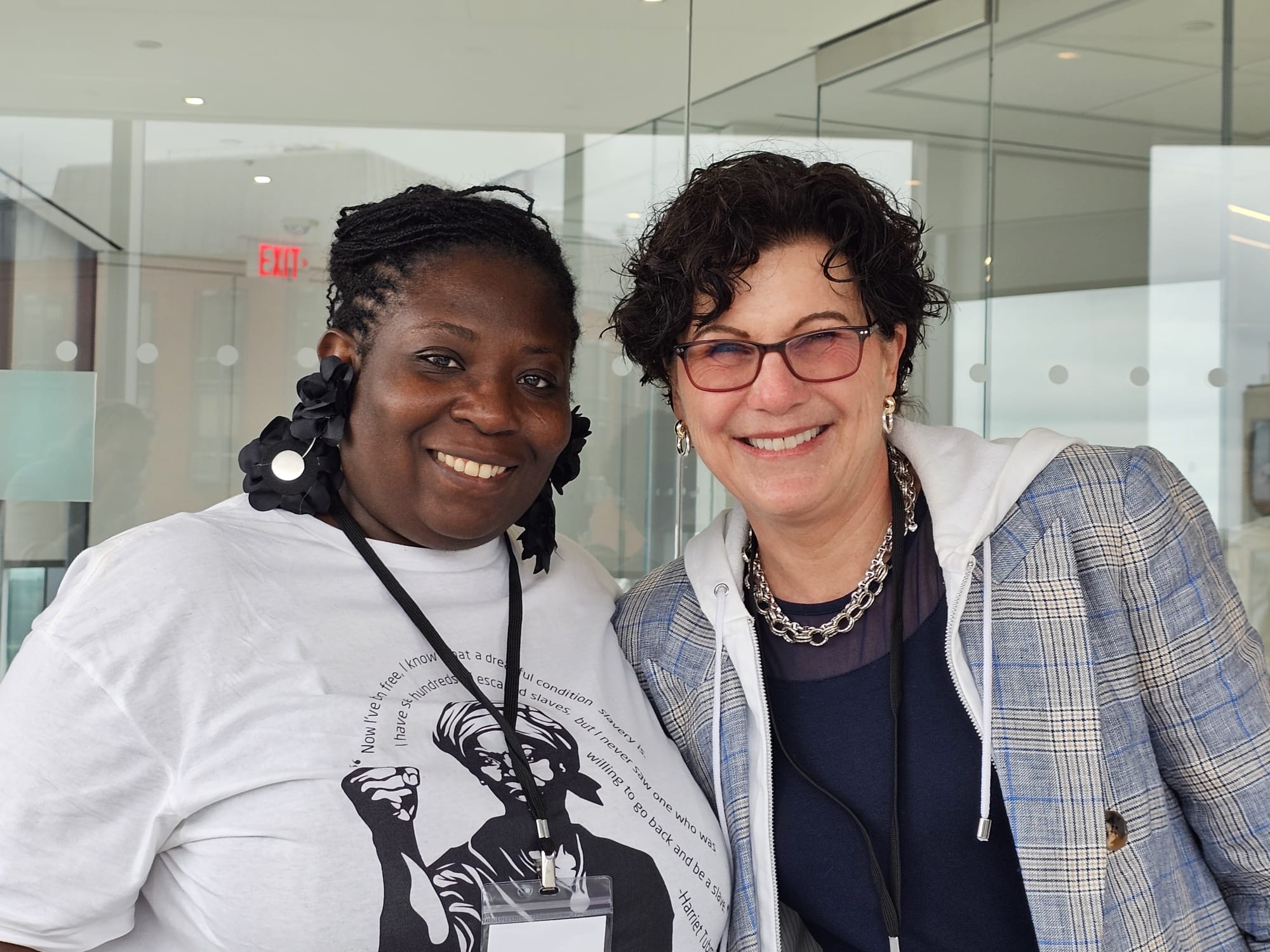
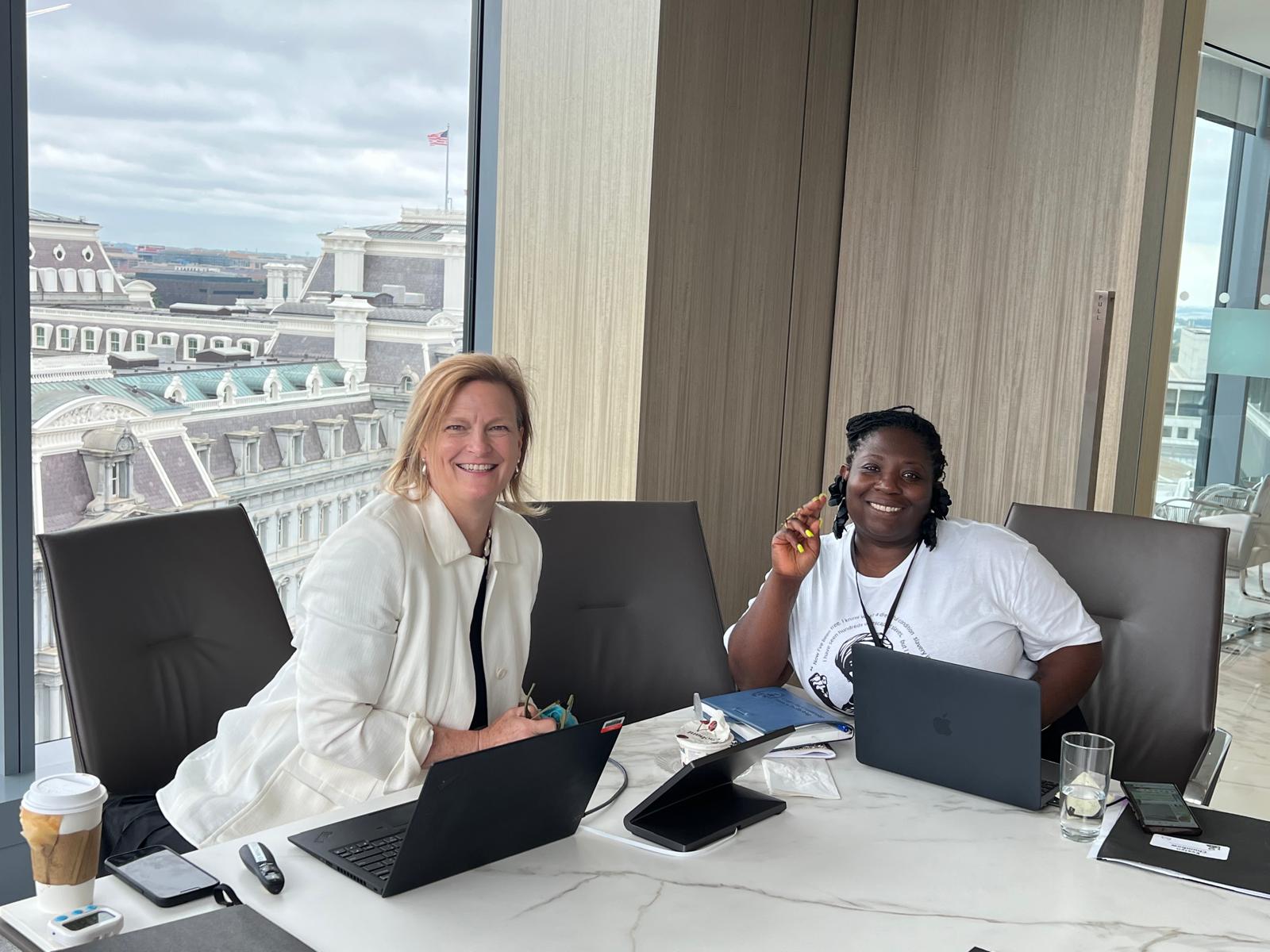
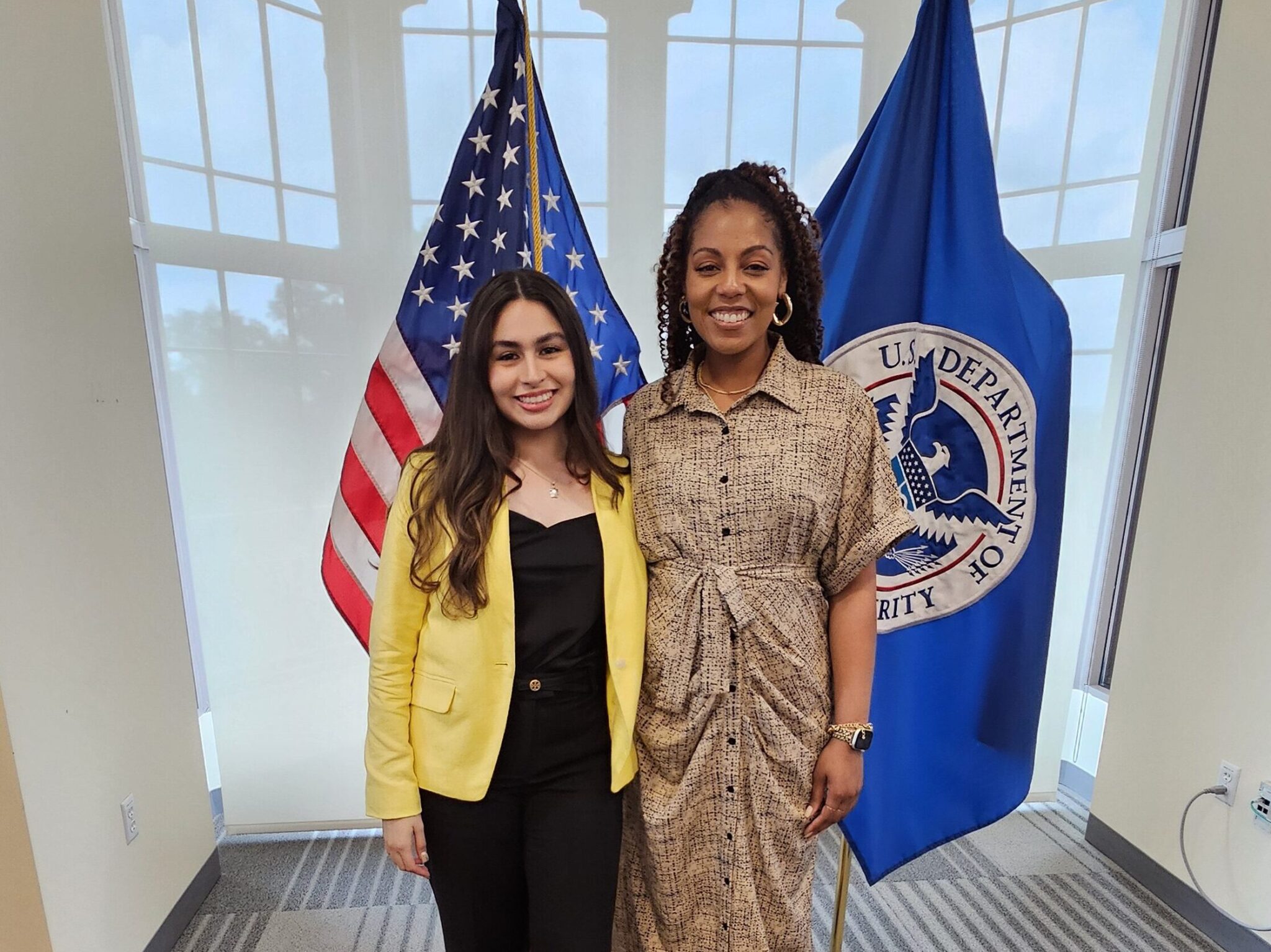
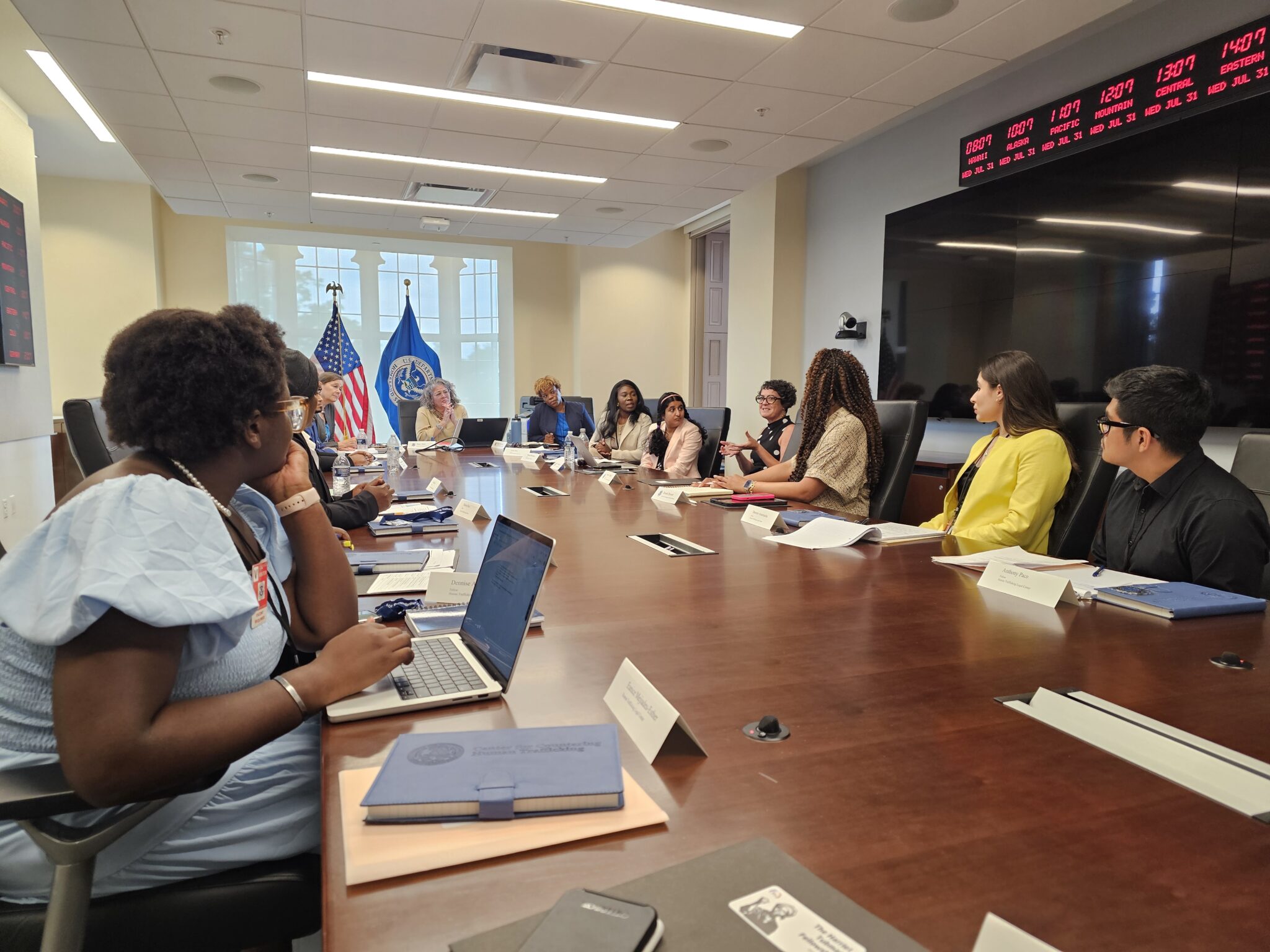
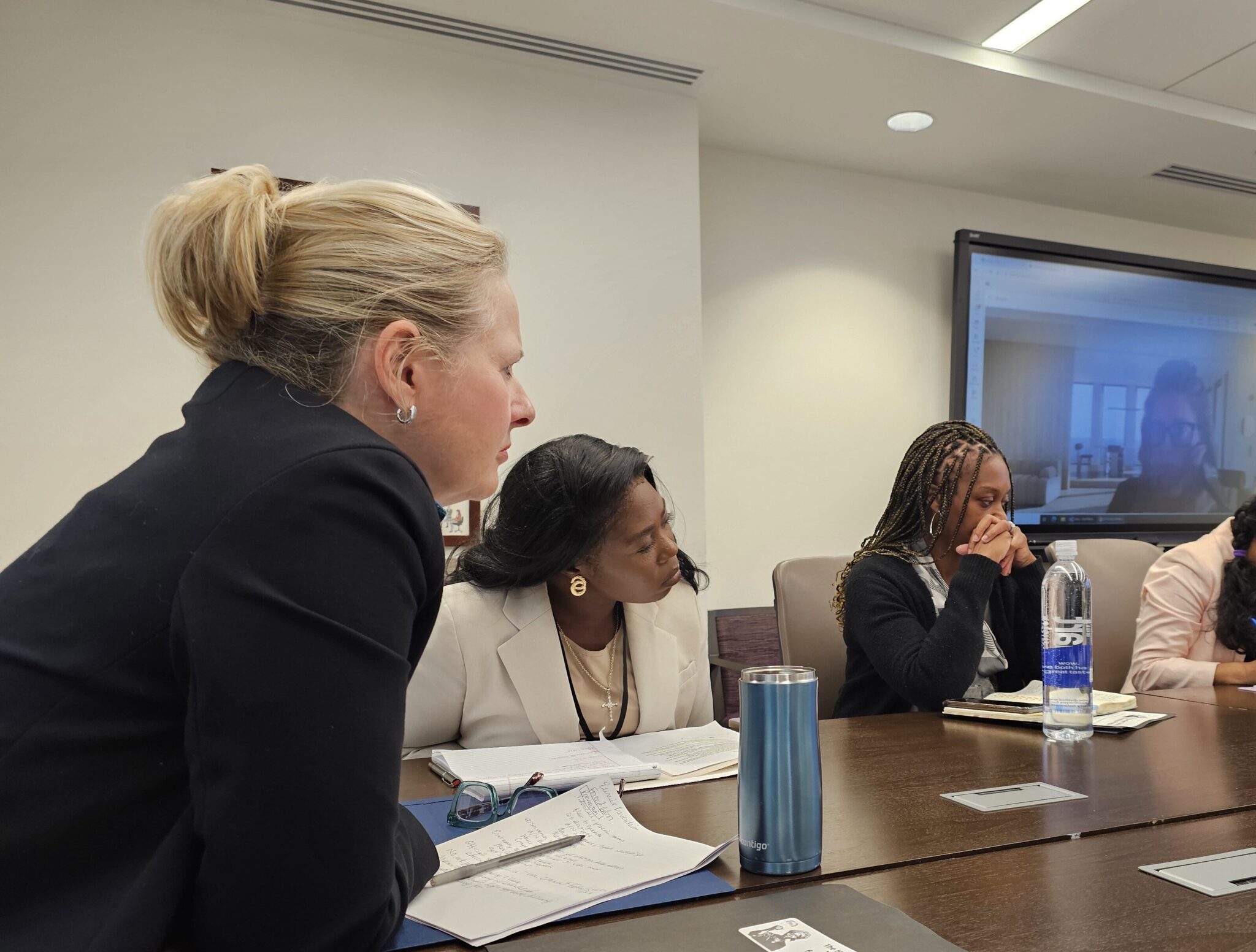
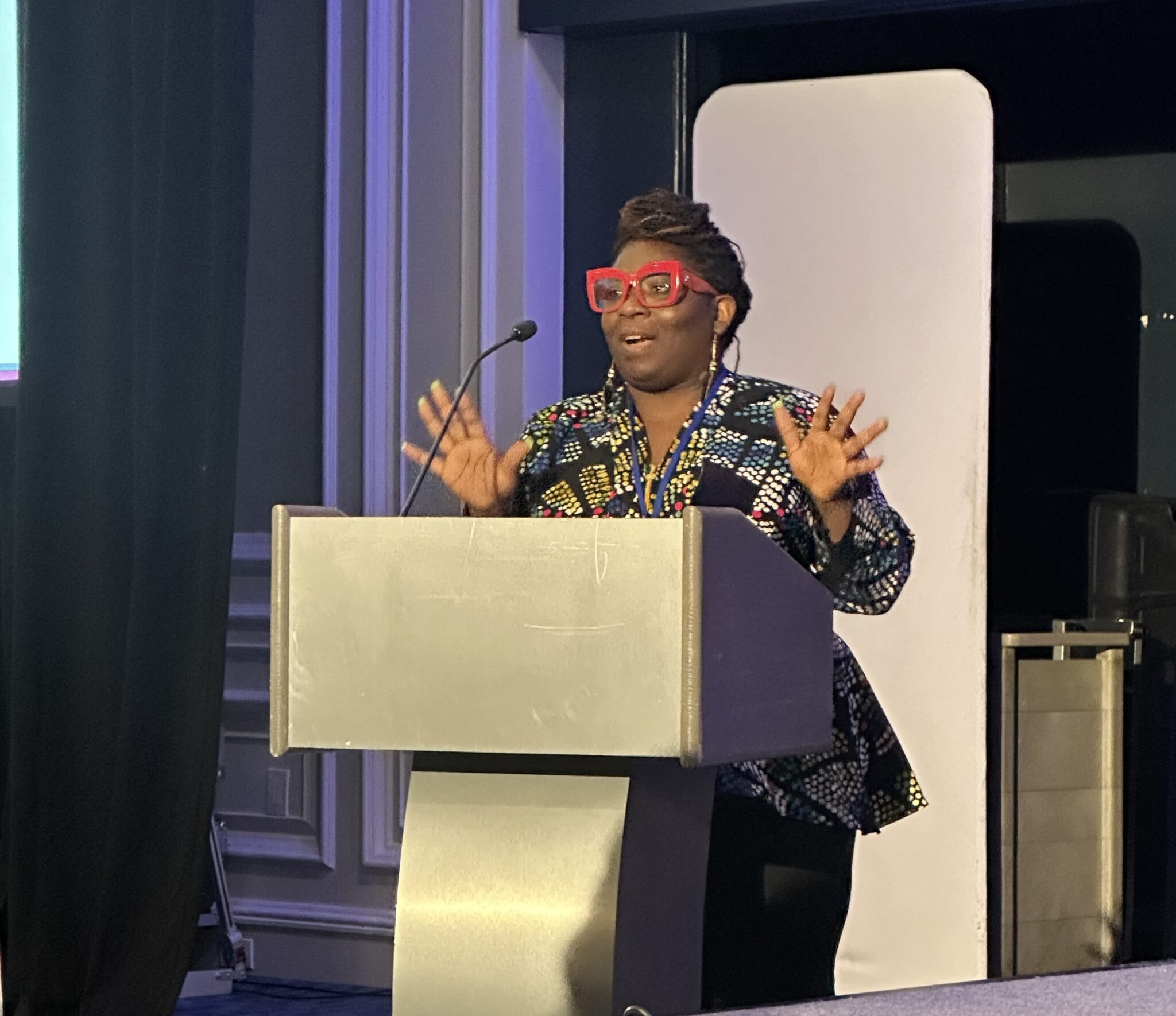
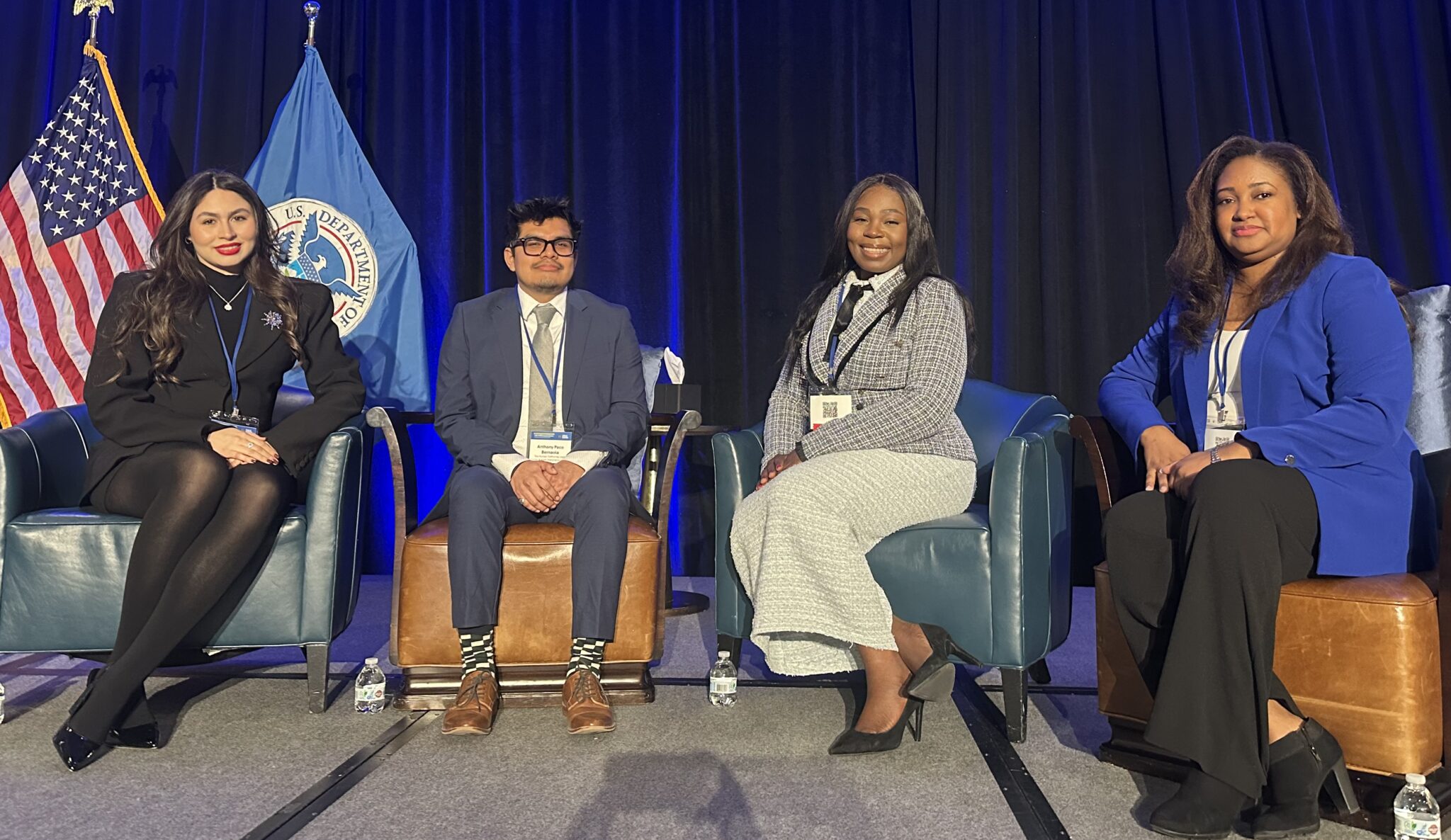
Each year, the Harriet Tubman Fellows come to Washington, D.C. for in-person communications and policy advocacy training. The Fellows meet with members of Congress and the Executive Branch to advocate for policy change to benefit all trafficking survivors. The Harriet Tubman Fellows have access to resources to build their leadership and professional skills over the two year fellowship period.
Each Harriet Tubman Fellow receives:
The Harriet Tubman Fellowship invests in survivor leaders so they can attain financial stability and lead in their communities.
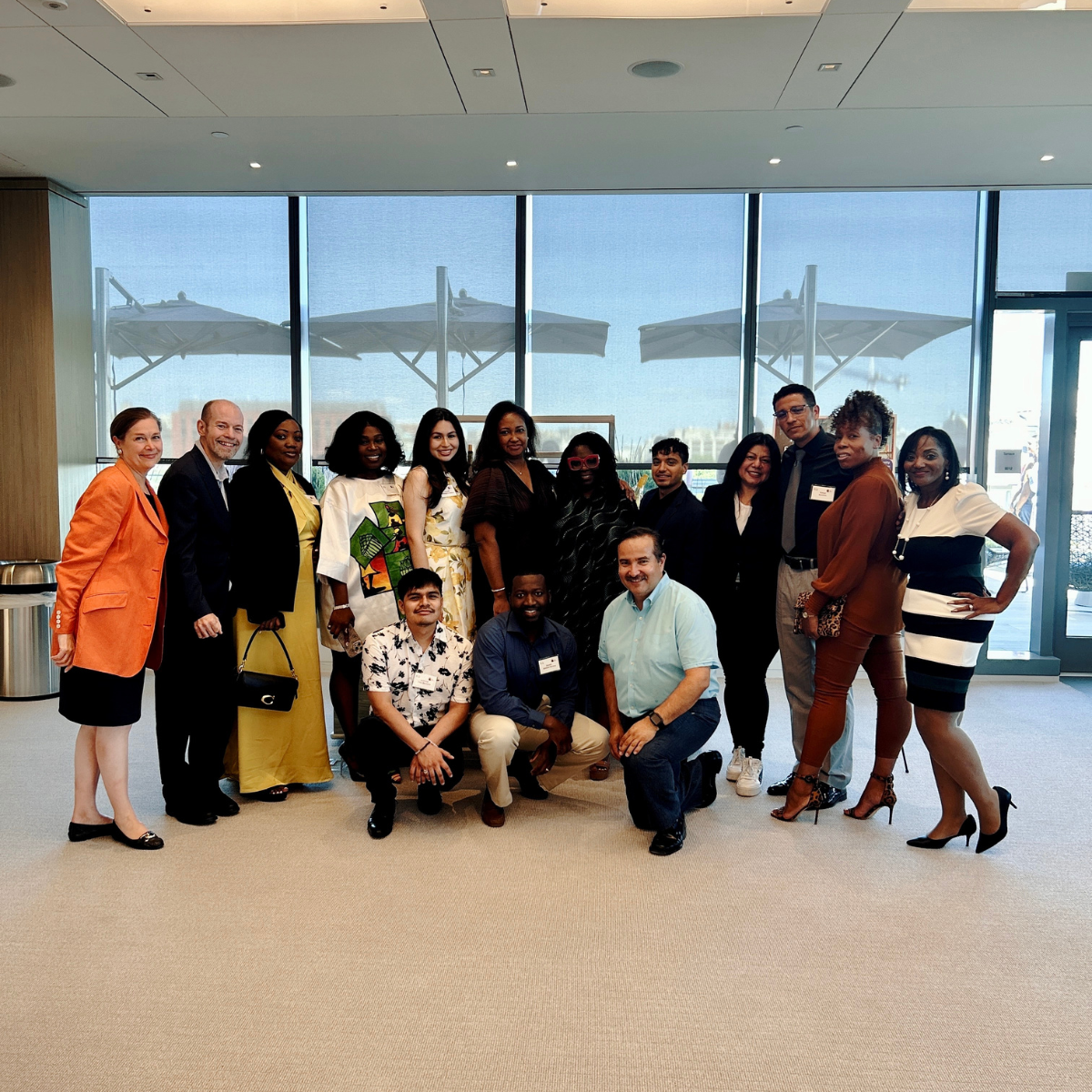
The Human Trafficking Legal Center congratulates the new class of Harriet Tubman Fellows and looks forward to supporting them in this new chapter of their professional and personal journeys.
Kwami Adoboe-Herrera is a father, educator, and founder of Teleios, a nonprofit that serves male trafficking survivors through safe housing and trauma-informed care. His goals through the Fellowship are to improve his nonprofit leadership, fundraising, and policy advocacy skills. He plans to pursue a graduate degree in Nonprofit Management or Public Administration.
Rafael Bautista is the former Chair of the U.S. Advisory Council on Human Trafficking, a subject matter expert on human trafficking, and a graduate of the U.S. Department of Health and Human Services’ first Human Trafficking Leadership Academy. As a Fellow, Rafael intends to study to become a Legal Document Assistant and open his own office to provide support to his community, while also using photography to tell the stories of human trafficking survivors and raise awareness through a powerful visual lens.
Olga Hernandez is a dedicated mother and committed to community service. She has a deep appreciation for social workers, recalling by name many who supported her and viewing them as instrumental in her healing and personal development. Through the Fellowship, Olga plans to pursue a license in social work and a master’s degree in criminal justice in order to strengthen her support of human trafficking survivors.
Chantal La-Fon is a mother, trafficking survivor, lived-experience expert, and entrepreneur. She is the founder of Growth Management Services, where she offers economic empowerment services. Over the two years of the Fellowship, Chantal plans to pursue a Bachelor’s degree in Business Administration and certifications in Human Resources and Nonprofit Management in order to strengthen her leadership and service to trafficking survivors.
Andrea Mittman Thomas is a Master of Social Work candidate at Cleveland State University and serves as the Co-Chair of the Collaborative to End Human Trafficking Survivor Advocate Committee. As a Fellow, Andrea plans to complete her MSW so she can support other survivors to thrive. She also hopes to improve her advocacy, public speaking, and leadership skills to become a stronger political advocate and grow into an executive leader.
Denisse Amezquita, a DACA recipient who has done extensive work with youth under the auspices of the National Hispanic Institute, plans to become a lawyer. Her long-term goal is to focus on immigration law to represent undocumented trafficking survivors. Amezquita intends to pursue paralegal training under the Harriet Tubman Fellowship, using the fellowship’s resources to continue her education. Ultimately, she hopes to counsel and defend trafficking survivors facing the immigration system alone.
Grace Muwawa plans to use the skills she gains from the Harriet Tubman Fellowship to expand her work providing housing and education for children in the Democratic Republic of the Congo. An entrepreneur, Muwawa is also developing a fashion brand to build financial resources to support services for children.
Anthony Paco currently serves as the program coordinator for the Asian Association of Utah, where he supports labor trafficking survivors seeking services. He plans to use the Harriet Tubman Fellowship to hone his leadership and management skills. His ultimate goal is to establish a shelter dedicated to supporting male human trafficking survivors.
Theresa ONYA is currently completing her Bachelor’s degree in nursing. She intends to use the Harriet Tubman Fellowship to develop her skills as a patient advocate. Her goal is to support trafficking-survivor patients with education and resources so that they can determine their next steps after escape.
Richa Z. aspires to become a lawyer to represent trafficking survivors pursuing justice and immigration relief. She plans to use the Harriet Tubman Fellowship to obtain a paralegal certification, the first step in her legal education. She is eager to continue her studies, as this will break the chains of trauma and allow her to support fellow trafficking survivors in her community.
Naima M., a gifted teacher, is passionate about empowering labor trafficking survivors to assert their rights in the workplace. Naima currently teaches English to refugees from Afghanistan, with a focus on empowering women. She plans to use the Harriet Tubman Fellowship to build her leadership skills, while continuing to provide education and language support to immigrant survivor communities.
Jameela S. Stewart intends to use the Harriet Tubman Fellowship to build her policy advocacy, leadership, and technical skills. Her ultimate goal is to pursue a career in cybersecurity, while using her technical capability to build a community forum for survivors. She describes herself as a servant leader, who uses her opportunities to support colleagues and fellow survivors.